
A company can improve continuously and still become less relevant.
That sounds contradictory only if we assume the world around the company is standing still.
I saw an early version of this in specialist AI. Companies became better at understanding text, images and structured information. Their products improved. At the same time, people changed the way they communicated. Short-form video became a much larger part of the information environment. Customers therefore began asking for something different.
The existing technology had improved. The input had moved.
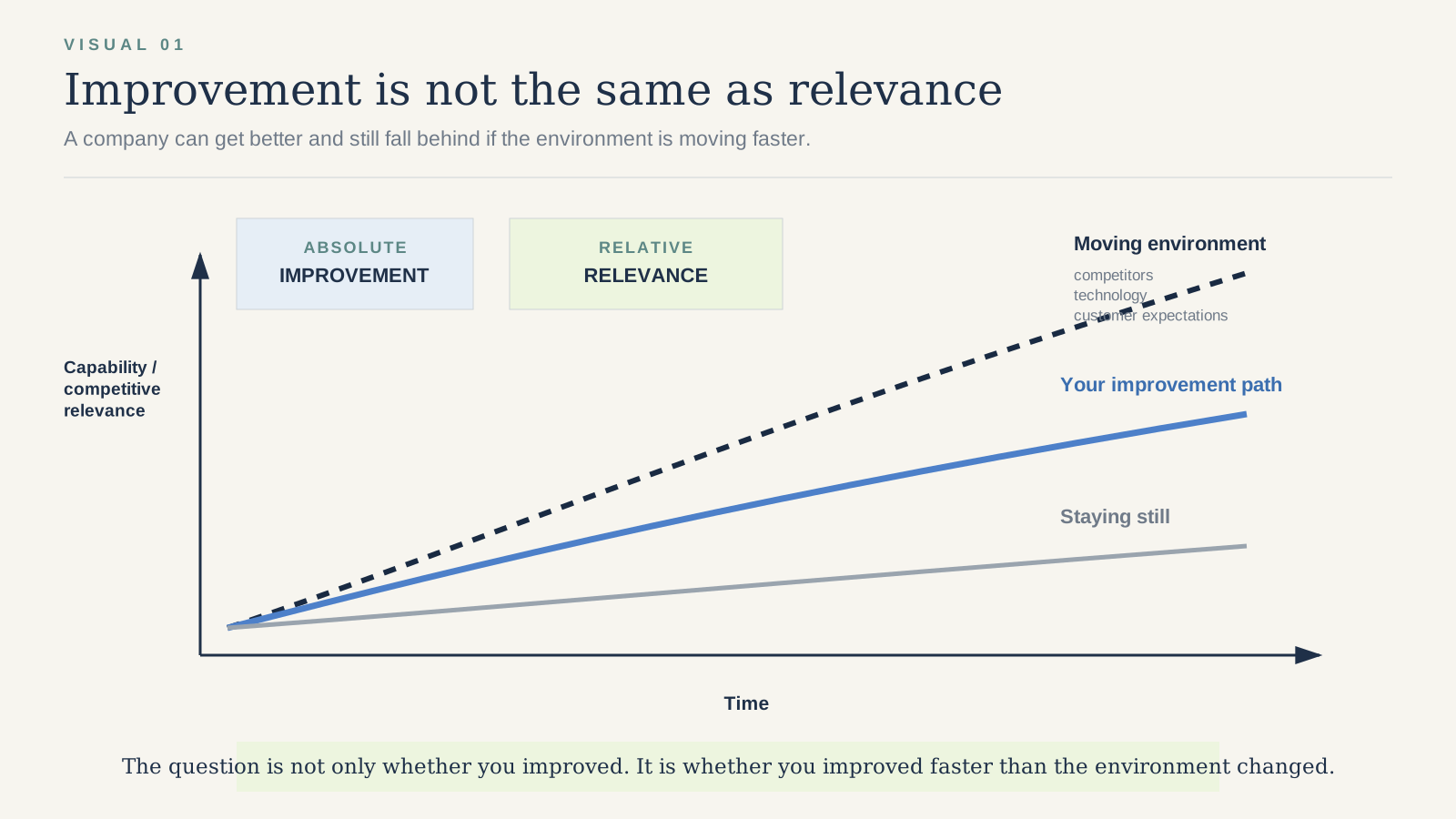
Improvement and relevance are not the same thing.
COMPETITION
Businesses do not improve against a fixed reference point
Most competent companies improve continuously. Products get better. Manufacturing becomes more efficient. Sales teams become more productive. Processes become tighter.
But the customer moves too. Technology moves. Competitors move. Prices move. What the market considers acceptable changes.
So the useful question is not simply: Are we improving? It is: Are we improving the capabilities that the environment is beginning to value?
RESILIENCE
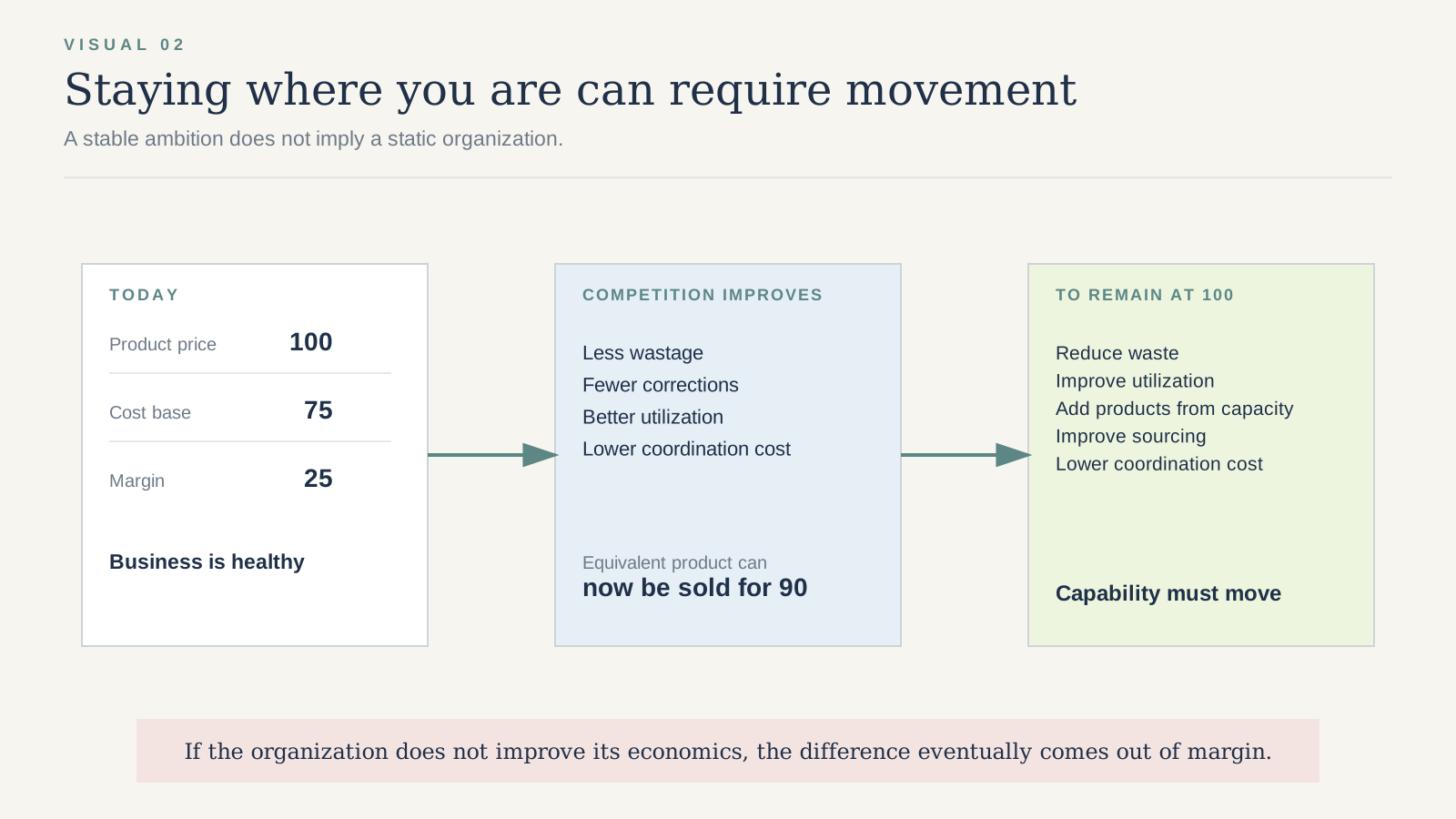
Staying where you are can require movement
Suppose competitors reduce wastage, improve utilization, automate some administrative work and increase output from the same capacity. Perhaps they can now economically sell an equivalent product for less while preserving their own margins.
If the market price moves down, the company has to find the difference somewhere. Less wastage. Fewer corrections. Better utilization. Additional products from the same capacity. Lower coordination cost. Better sourcing. Otherwise the difference comes out of margin.
DIRECTION
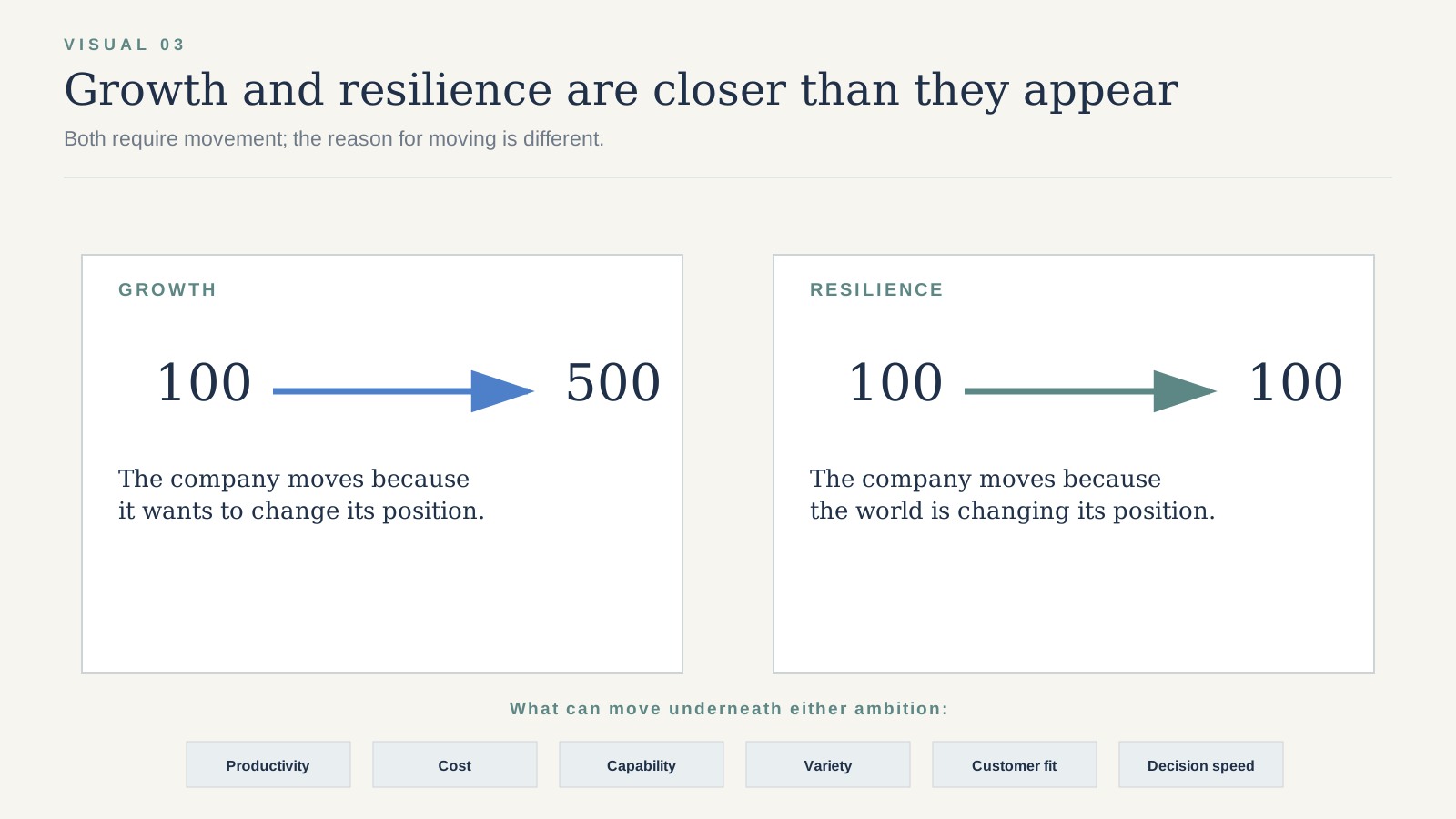
Growth and resilience are closer than they appear
A company that wants to go from 100 to 500 moves because it wants to change its position.
A company that wants to remain at 100 may have to move because the world is changing its position for it.
That is resilience.
If the environment is changing, direction becomes a diagnostic problem: the organization has to understand what is actually changing before it decides what to improve.