
AI adoption breaks down quickly when AI is introduced as something separate from the way people already work.
A company chooses a platform. A policy is announced. Employees are told which tool to use. The organization believes it has created an AI workflow.
The employee experiences something else: existing workflow + additional AI workflow.
Start with the workflow rather than the AI use case.
WORKFLOW
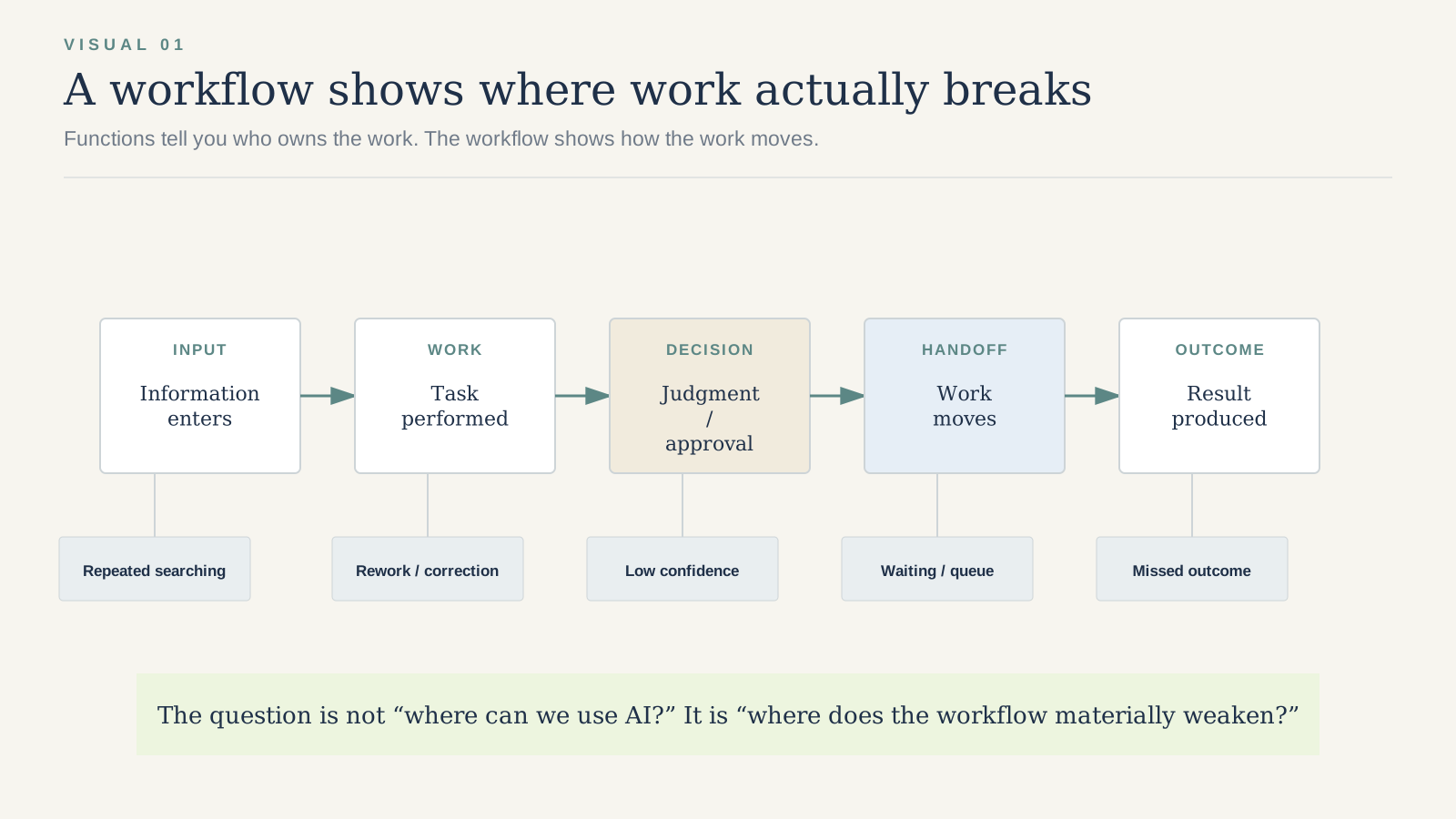
A workflow shows where work actually breaks
A department is too broad. An org chart tells us who owns the work. A technology architecture tells us which systems support it. A KPI tells us what outcome is being measured. The workflow shows how work actually moves through people, information, decisions and systems.
Where does confidence drop? Where does rework appear? Where does somebody repeatedly search for the same information? Where does an approval wait? Where is scarce expertise required?
INTERVENTION
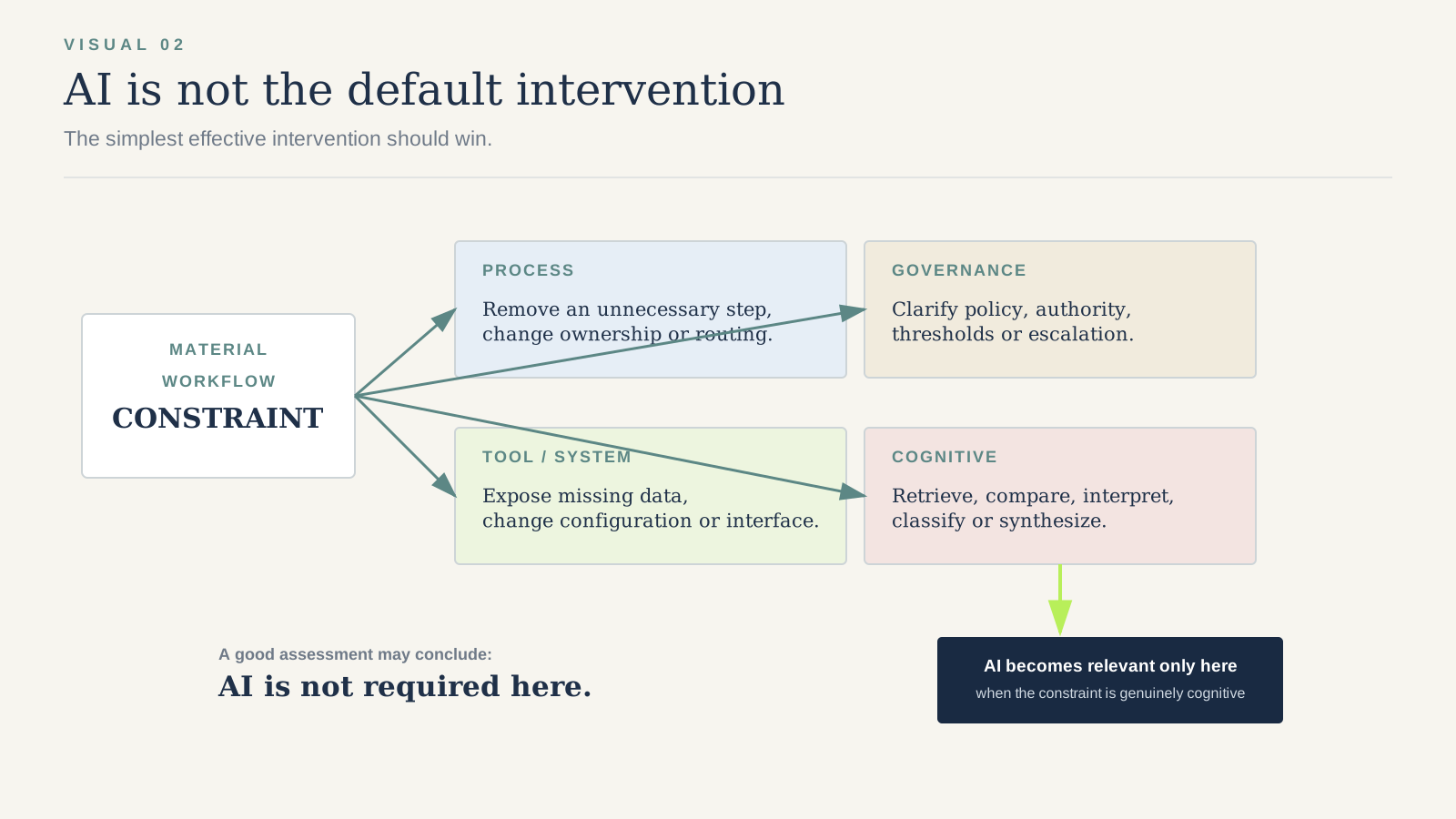
The simplest effective intervention should win
AI must earn its place.
Perhaps the process itself is badly designed. Perhaps an unnecessary approval can be removed. Perhaps the existing application simply needs to expose three additional values. Perhaps the policy is unclear. Only when the constraint genuinely requires retrieval, interpretation, comparison, synthesis, classification or another cognitive capability does AI become a serious candidate.
KYC
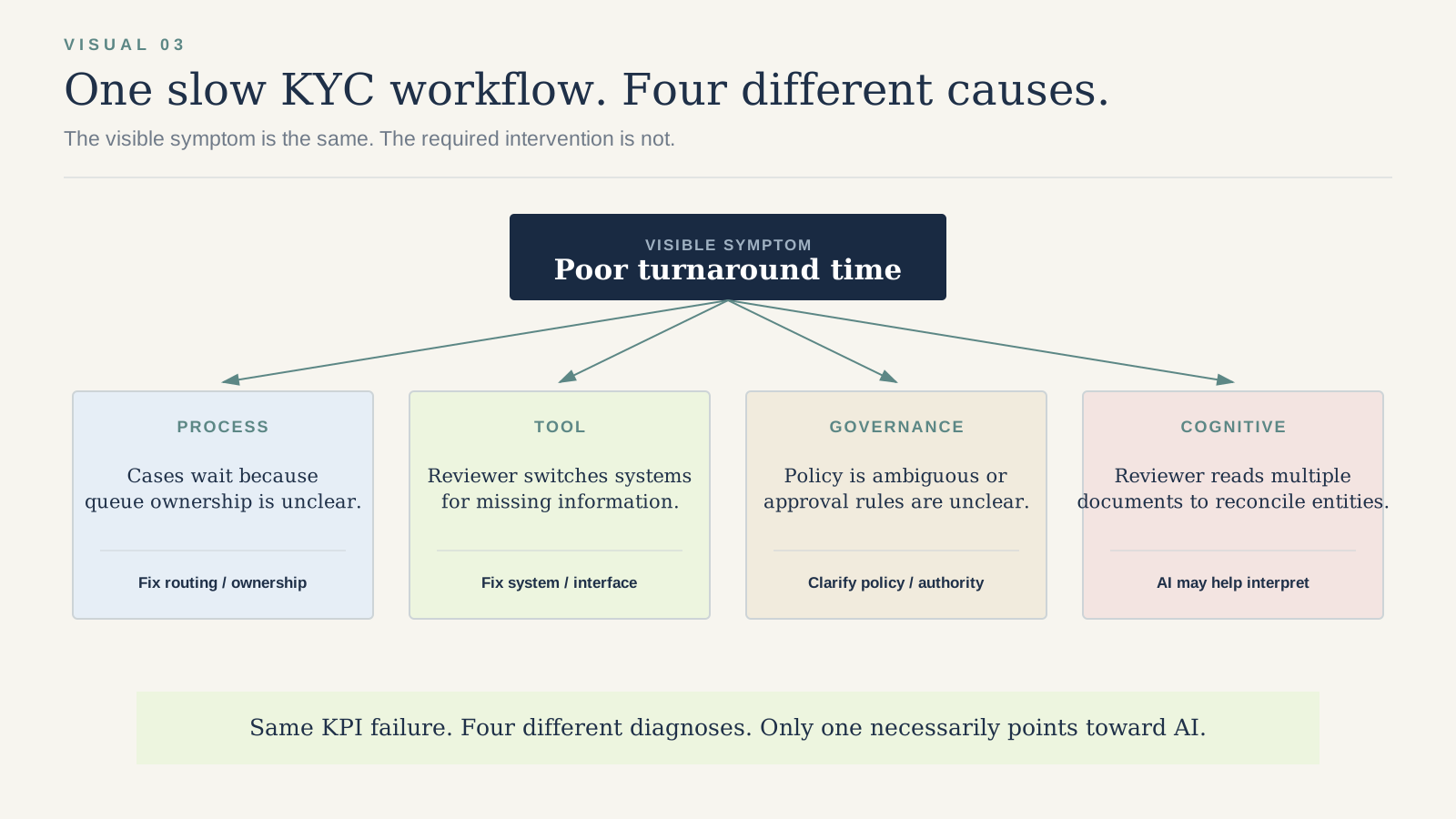
One symptom can hide different causes
Take a simplified KYC workflow. A case arrives with identity information, corporate documents, ownership details and supporting evidence. A reviewer has to compare information, retrieve policy, identify inconsistencies and decide whether the case can proceed.
If cases wait because queue ownership is unclear, that is a process problem. If reviewers repeatedly switch systems, that may be a tool problem. If policy is ambiguous, that is a governance problem. If the reviewer spends time reconciling documents, that may be a cognitive problem.
AUTHORITY
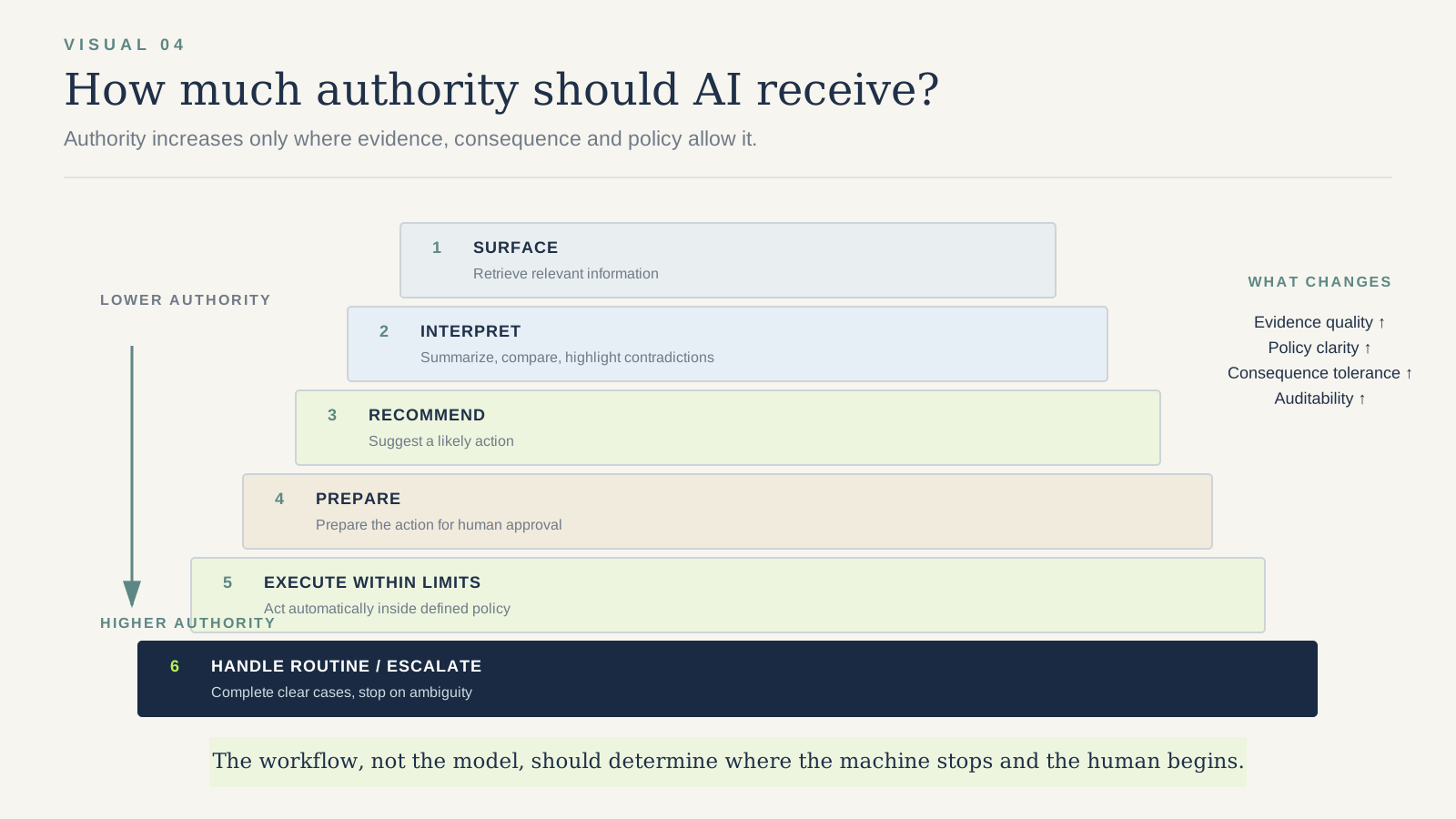
Cognitive assistance does not mean full automation
AI may surface information. It may interpret. It may recommend. It may prepare an action. It may execute within defined limits. Or it may stop and ask for a human.
Authority should increase only where evidence, consequence and policy allow it.
The workflow determines which intervention earns its place. Tool choice comes later.